
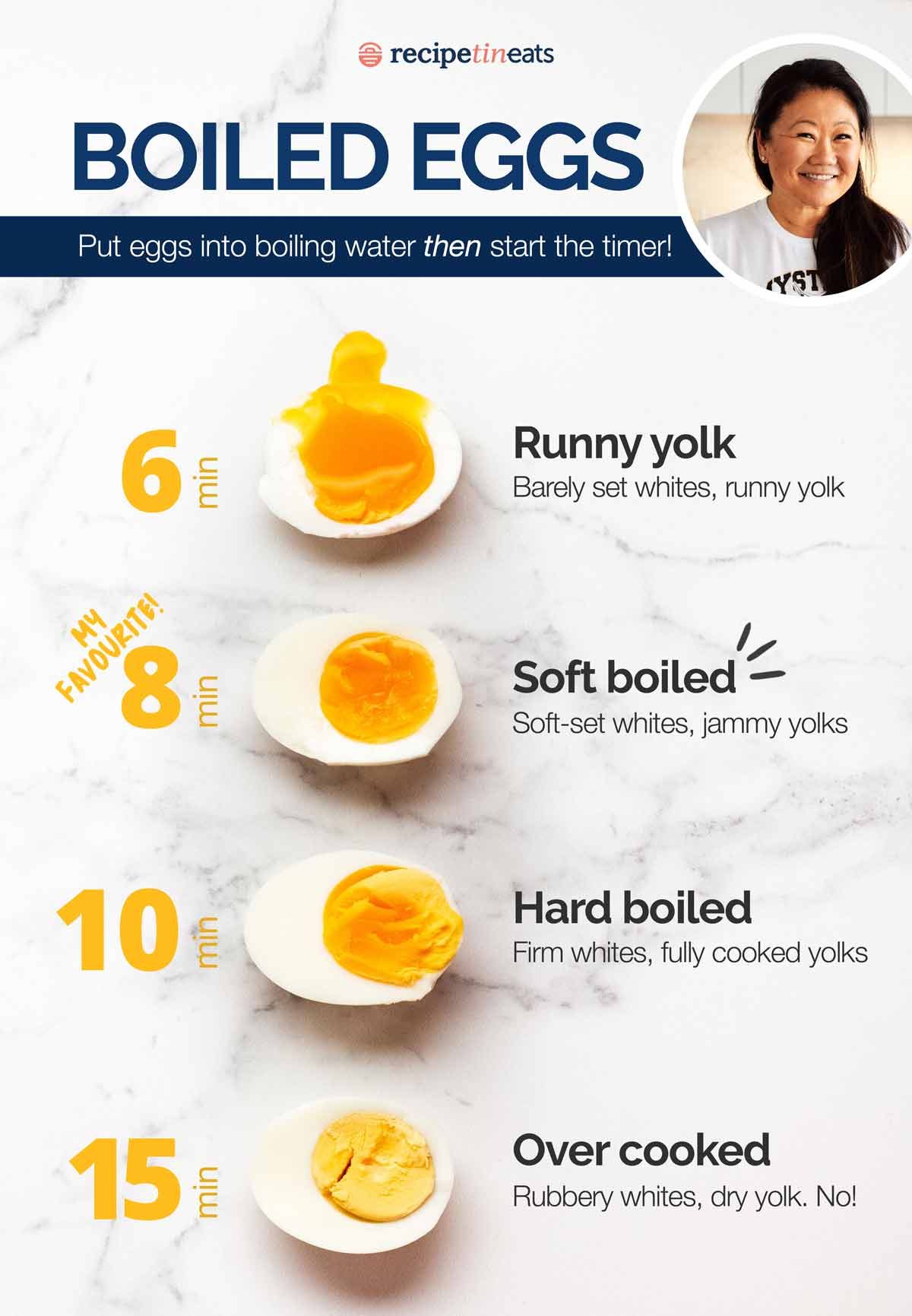
How to boil eggs – Bring water to a boil first, add eggs, start the timer. 6 minutes for runny yolks, 8 minutes for soft boiled (my go-to!), 10 minutes for hard boiled. Peel under water to make life easier.
After cramming directions for how to boil eggs in the notes of more recipes than I can count, I figured it was high time to share a proper recipe. So here is how I boil eggs!
How to boil eggs
This method will produce consistent results to the level of doneness you desire no matter what pot you use and how weak or strong your stove is.
Boil water first.
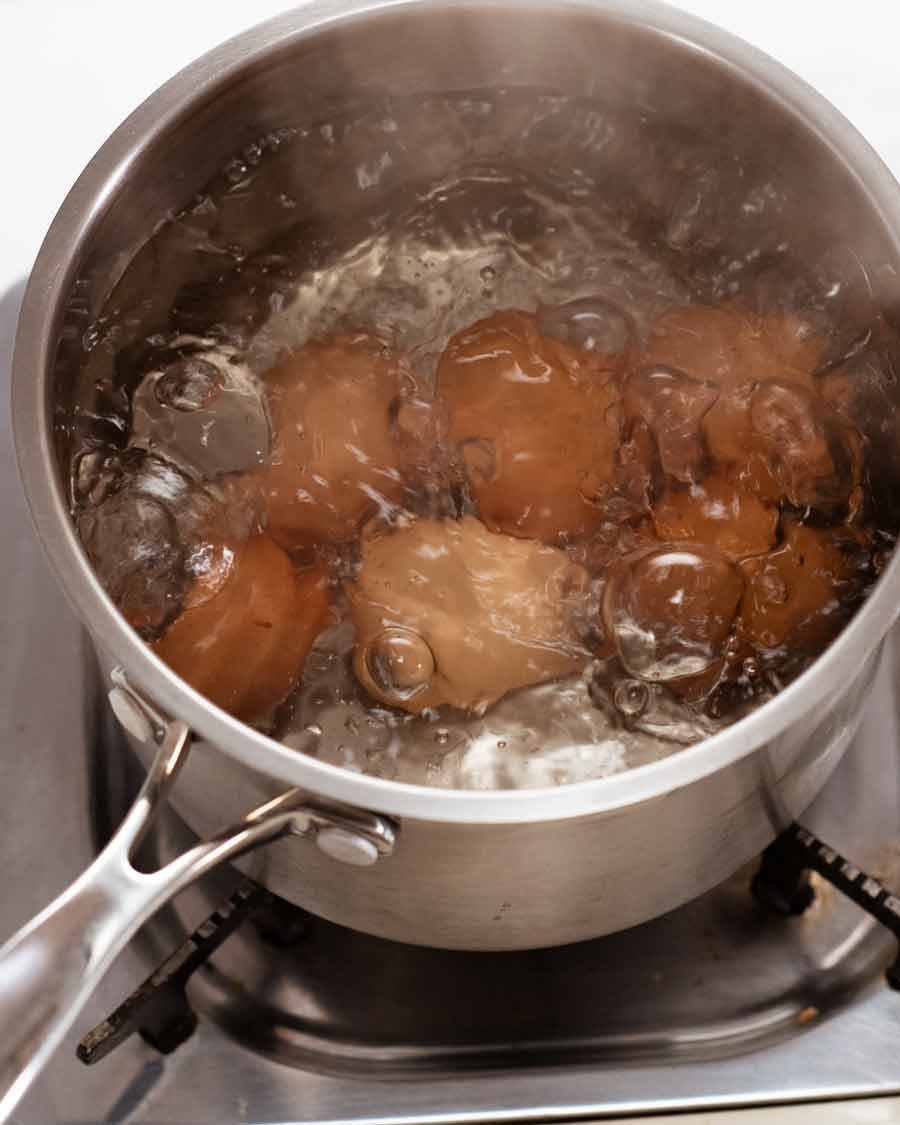
Gently lower in fridge-cold eggs.
Lower the heat slightly – so the eggs don’t crack due to being bashed around but water is still at a gentle boil.
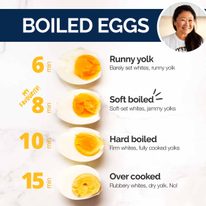
Start the timer – 6 minutes for runny yolks, 8 minutes for soft boiled, 10 minutes for classic hard boiled, 15 minutes for unpleasant rubbery whites and powdery dry yolks.
Transfer into a large bowl or sink of cold water.
Peel under water starting from the base (it’s easier).
And that’s all you need to know. But if you’re wondering about the why, read on!
How long to boil eggs
Dippy eggs and soldiers – 3 minutes (can’t peel)
Runny yolks – 6 minutes
Soft boiled – 8 minutes
Hard boiled – 10 minutes
Remember, lower fridge-cold eggs into boiling water then start the timer!
My egg boiling rules & the why
Boil water before adding eggs – Your water boils faster than mine, because you have a better pot and stronger stove. So if we both start with eggs in cold water then bring it to a boil, our egg cook times will be different.
Plus, at what point really do you consider the water to be boiling so at what point do you start the timer? And who wants to stand over a pot, waiting for that exact moment it comes to a boil so you can start the timer? Remove that variable! Always start your eggs in boiling water.
Lower heat slightly once eggs are added – So the eggs aren’t bashed around so they crack. But keep the water at a gentle boil / rapid simmer else you will lose heat. Goal: maximum water bubbling without eggs cracking.
Fridge-cold eggs – Insurance policy for creamy / runny yolks, eggs are consistently easier to peel, pls there’s a consistent baseline for everyone boiling eggs. 8 minutes for a room temperature egg = hard boiled, fridge cold egg = soft boiled!
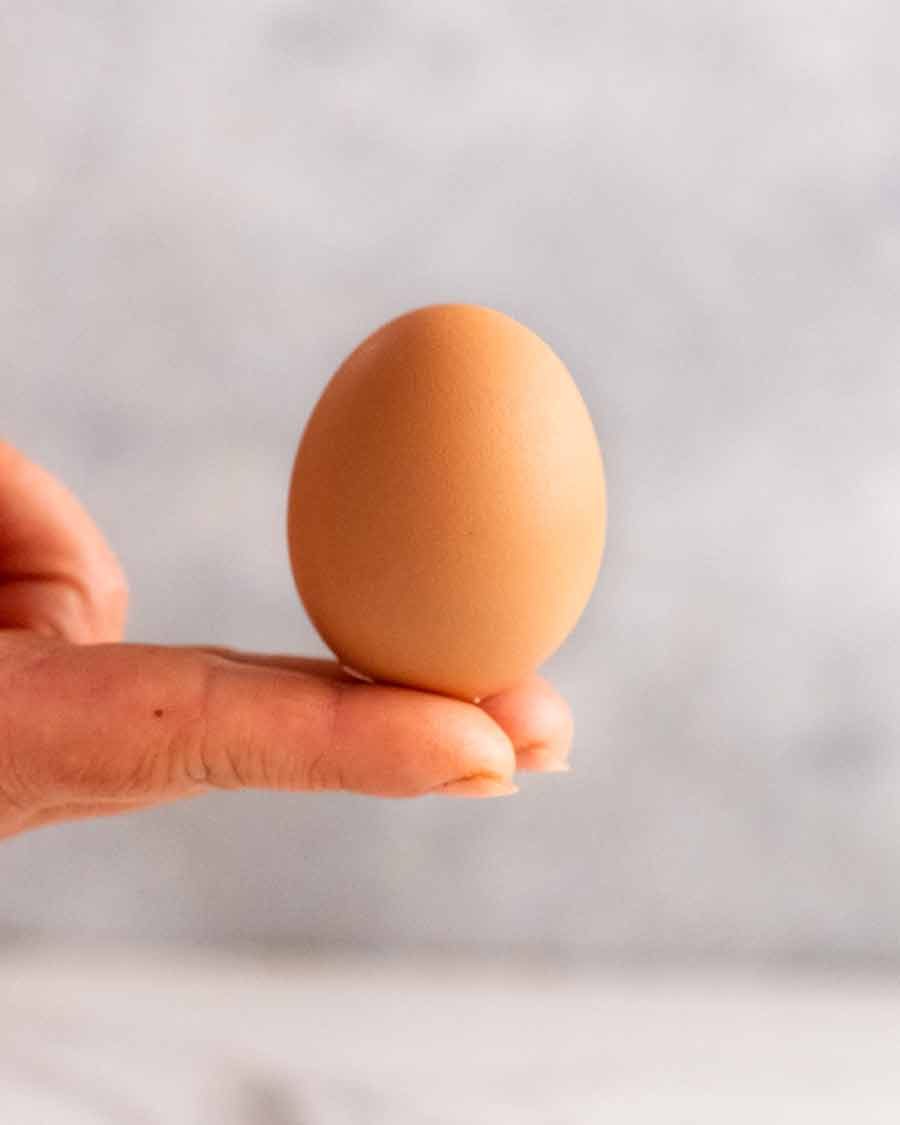
Egg size – The egg cook times provided above are for “large eggs” which are sold in cartons labelled as such. “Large eggs” are ~50 – 55g / 2 oz each, a size prescribed by industry regulations. For other egg sizes:
– Extra-large eggs (60g/2.2 oz): add 30 seconds
– Jumbo eggs (65g /2.5 oz): add an extra 1 minute
– Emu eggs: separate recipe coming one day….. (maybe!😂)Don’t crowd the pan – Small saucepan and too many eggs = not enough heat in the water per egg = slower cook time.
Saucepan size – A 18 cm / 7″ saucepan is suitable for 6 eggs, a 16cm / 6″ pan for 4 eggs.
Save ice for cocktails – Ice is precious around these parts. There’s no need to waste them on your morning eggs! A bowl of cold tap water is enough to stop the cooking process.
Peel from the base – It’s easier. Try it.
Peel under water – Also easier. Try it!
What type of boiled eggs I use for what
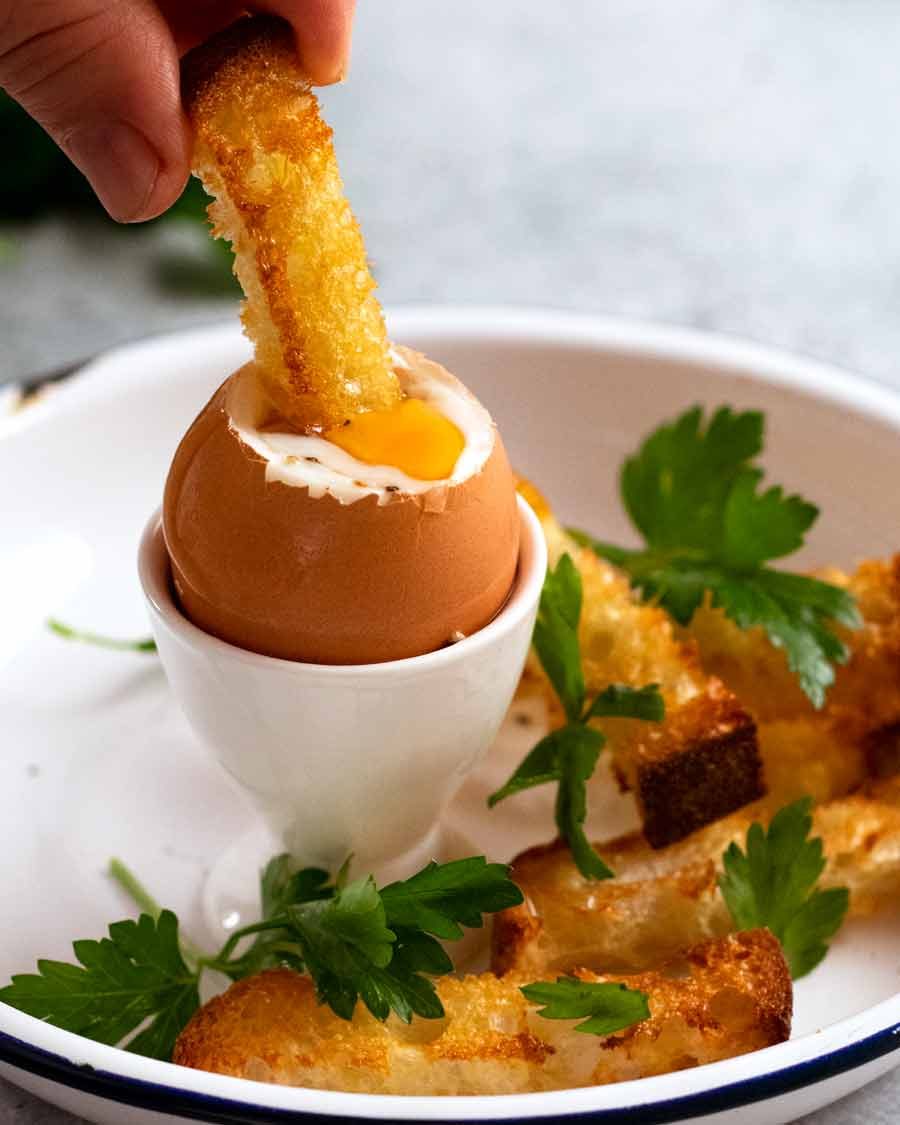
Dippy eggs for soldiers (3 minutes) – Made for dipping in toast sticks (pictured above), these cannot be peeled as only the outer rim of the whites are set. The yolks are runny as is the inner layer of egg whites, so you can mix it up and dip the bread sticks in.
Runny yolks (6 minutes) – I don’t use these very often because they are a bit of a pain to peel because the egg whites are just barely set so they are rather delicate! Usually if I’m after a runny yolk I’ll do poached eggs (such as for Eggs Benedict) or fried eggs sunny-side up (for burgers). Just easier to handle and cook, I find.
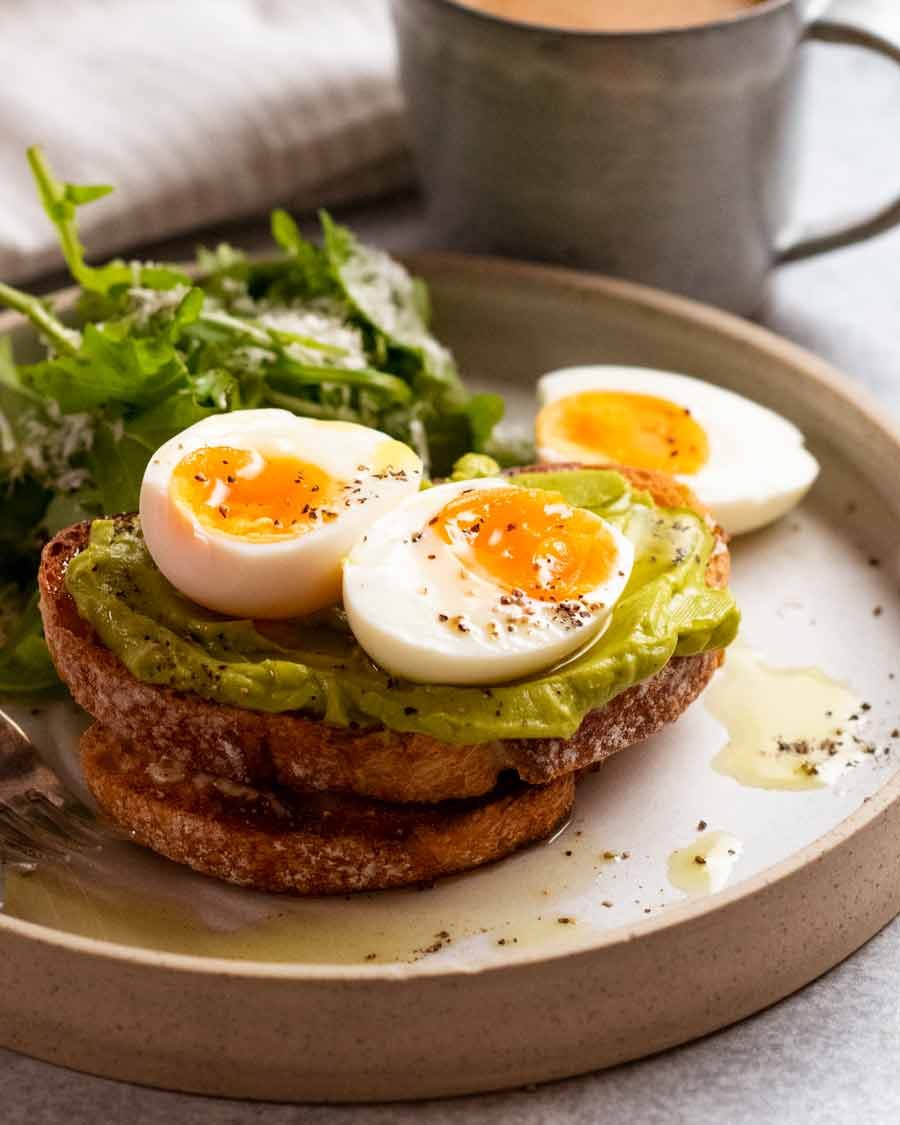
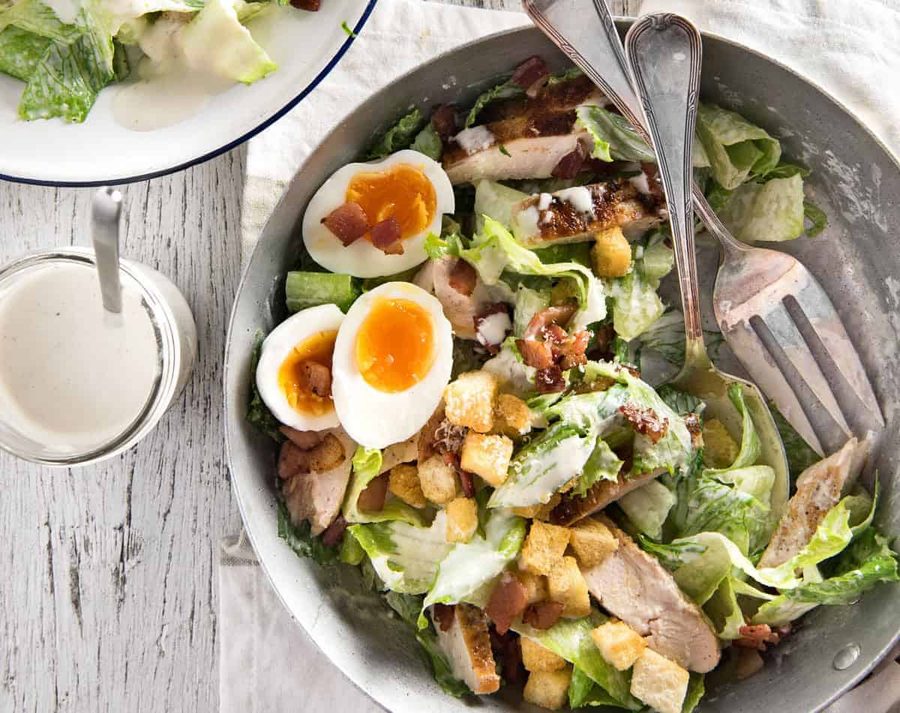
What I use them for – Caesar salad and on toast with avocado in some form (smashed/smeared, guacamole or avocado sauce).
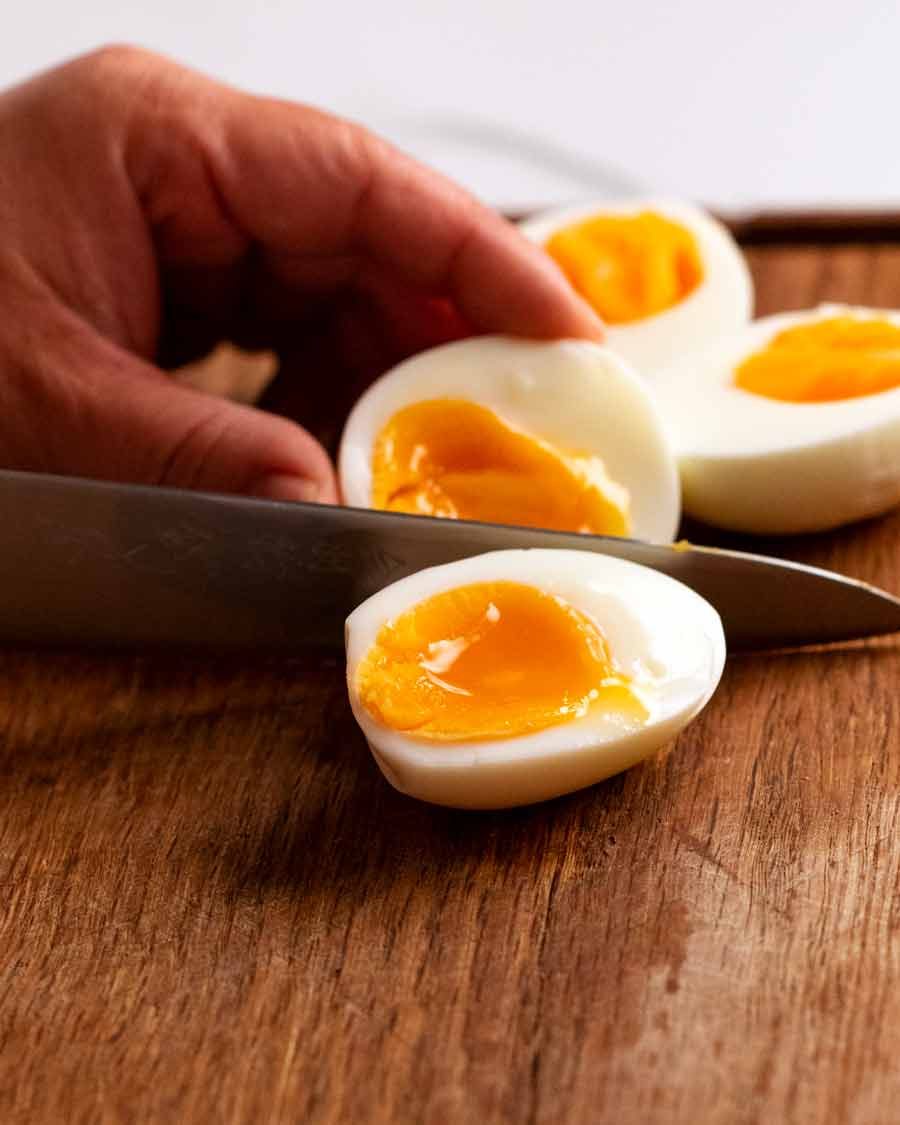
Soft boiled eggs ⭐️ (8 minutes) – My favourite and default boiled egg because it is at its best! Cooked so the yolk is just set which means it is at its optimal creaminess. But the yolk is cooked enough so it doesn’t run when you cut it.
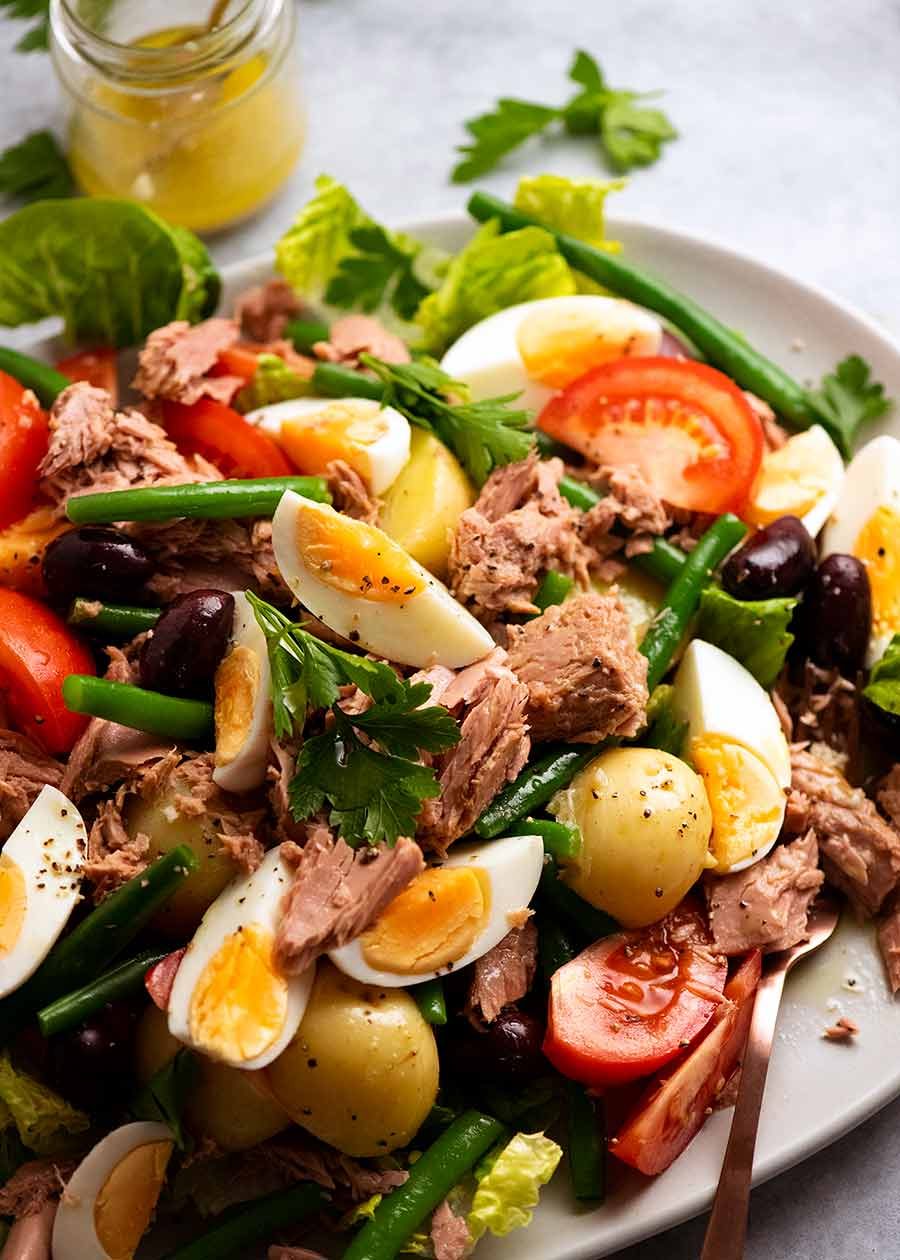
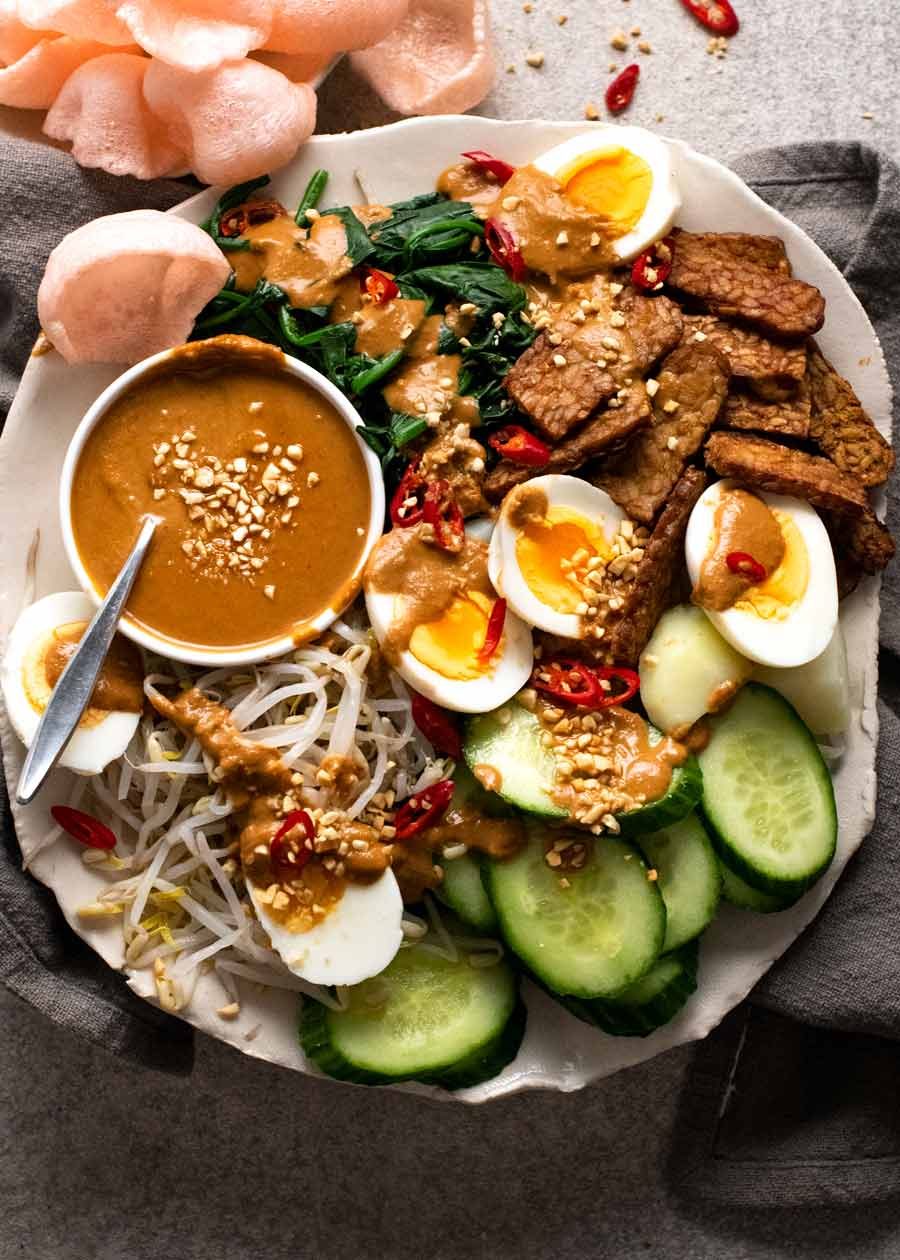
What I use them for – salads (Nicoise, chicken pasta salad, Gado Gado), studded throughout fish pie and for my favourite egg sandwiches.
Hard boiled eggs (10 minutes) – The other alternative level of doneness for the above listed salads. I prefer soft boiled rather than hard boiled simply because the yolks are creamier and the whites are softer. For some specific recipes like Devilled eggs however, you need hard boiled.
Overcooked eggs (12 minutes+) – Powdery yolks and rubbery whites are not to my taste, but do your eggs as you wish! I just hope nobody is aiming for the dreaded grey ring around the yolk. That’s as overcooked as you can get, and good for not much at all!

Egg cracking problems?
To prevent eggs cracking:
Lower the eggs in gently using a slotted spoon or similar – don’t drop them in from a height!
Reduce the heat slightly as soon as the eggs are added so the water isn’t bubbling so furiously that the eggs are thrown around so violently that they crack.
The other thing that can cause egg cracking is thin shells. The thickness of shells varies which can come down to the chicken breed and the quality of the chickens – and therefore the eggs. Do you use free range eggs?
Crater eggs
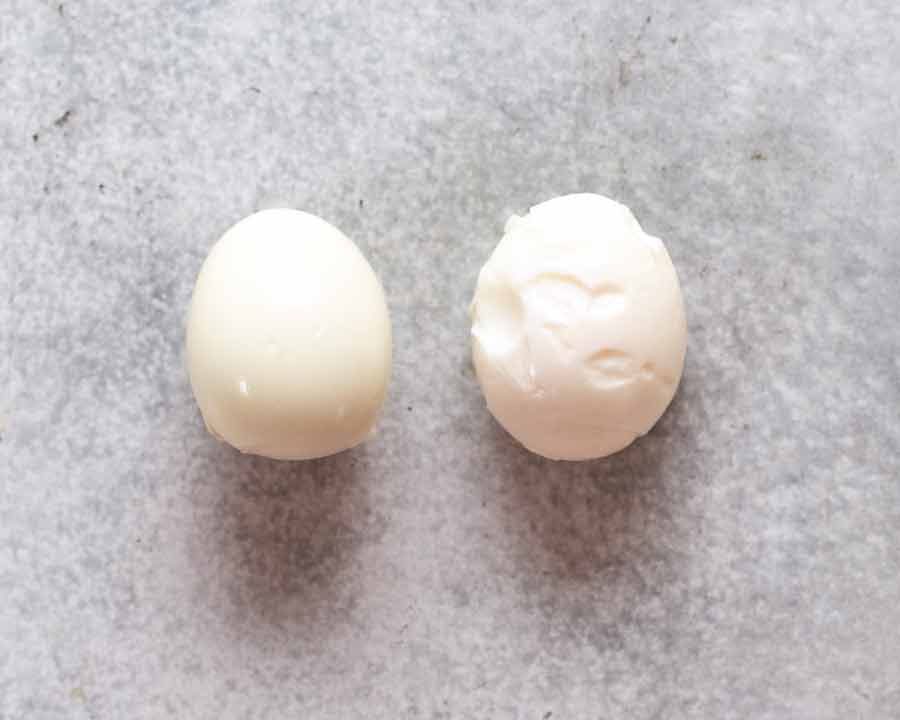
As for the burning question about why some eggs peel neatly and others end up cratered like the moon? Ahh, so much information out there! The only thing I know for sure is that older eggs peel more neatly than fresh eggs. This is simply because the membrane of freshly laid eggs is adhered more firmly to the shell so it’s harder to peel off. The older the egg, the more that membrane degrades = easier to peel.
I find eggs purchased from the store that I’ve had for a week+ in the fridge almost always peel neatly.
And onwards!
And that, my friends, is all the pertinent information I have to impart on the matter of boiling eggs. Go forth and enjoy your new egg boiling life, with guaranteed perfectly boiled eggs every single time!
And for egg boiling experts – share your tips. I love learning new things! – Nagi x
Watch how to make it
Hungry for more? Subscribe to my newsletter and follow along on Facebook, Pinterest and Instagram for all of the latest updates.
How to boil eggs
Ingredients
- Large eggs , fridge cold (55g/2oz each, Note 2)
Instructions
- Water level 3cm/1" – Fill the saucepan with enough water so it will cover the eggs by 3cm / 1" or more.
- Boil first then add eggs – Bring to a rapid boil over high heat. Using a slotted spoon, gently lower fridge-cold eggs into the water.
- Lower heat – Reduce the heat slightly to medium high – water should still be bubbling but not so much the eggs are being bashed around so roughly they crack. (Note 3)
- Start the timer once all the eggs are in. – Dippy solders: 3 minutes (can't peel)– Runny yolks: 6 minutes– Soft boiled: 8 minutes– Hard boiled: 10 minutes
- Cool 10 minutes – Remove eggs using a slotted spoon into a large bowl or sink filled with plenty of cold tap water to cool the eggs. (Ice – Note 4) Cool 10 minutes.
- Peel from base in water – Crack the base of the shell by tapping it on the counter, then peel under water from the base (it's easier).
- Storing – Hard boiled eggs can be stored in the fridge for up to 7 days (peeled or unpeeled). Freezing not recommended (whites go weird).
Recipe Notes:
Egg doneness
Start timer once eggs put into boiling water:- Dippy soldiers (3 min) – Made for dipping toast stick in (see photo in post). Only outer rim of whites set. Can’t be peeled.
- Runny yolks (6 min) – Barely set whites, runny yolk. Delicate to peel. For runny yolks I usually do poached eggs or sunny-side up.
- Soft boiled (8 min) my favourite – Soft set but fully cooked whites, fully set yolks but a bit jammy. My favourite / most used.
- Hard boiled (10 min) – Firmer whites and fully cooked yolks but not dried out.
- Overcooked (15 min) – No! Unpleasantly firm rubbery whites and powdery dry yolks.
1. Don’t crowd the eggs, they will take longer to cook! Saucepan size for number of eggs: 16cm/6″ – up to 4 eggs 18cm/7″ – 6 eggs More eggs = larger pot 2. Egg size – Eggs are sold in different sizes. The cook times provided in the recipe are for large eggs (55g/2oz each in the shell), sold in cartons labelled as such. For extra-large eggs (60g/2.2oz) add 30 seconds, for jumbo eggs (65g/2.5oz) add 1 minute. 3. Egg cracking – Lower heat as needed to prevent eggs from cracking but goal is to keep it at a gentle boil / rapid simmer. If the water is still, there is not enough heat and your eggs are not cooking fast enough! Still got cracking issues? Thin shells is a problem (are you using free range?) and sometimes eggs already have a hairline fracture (can be invisible). 4. Ice water – there’s no need to waste precious ice for the water though if you have an abundance of ice, feel free to go ahead as it will speed up the cooling time. Just be sure to use enough tap water to cool the eggs. Nutrition per egg.
Nutrition Information:
Life of Dozer
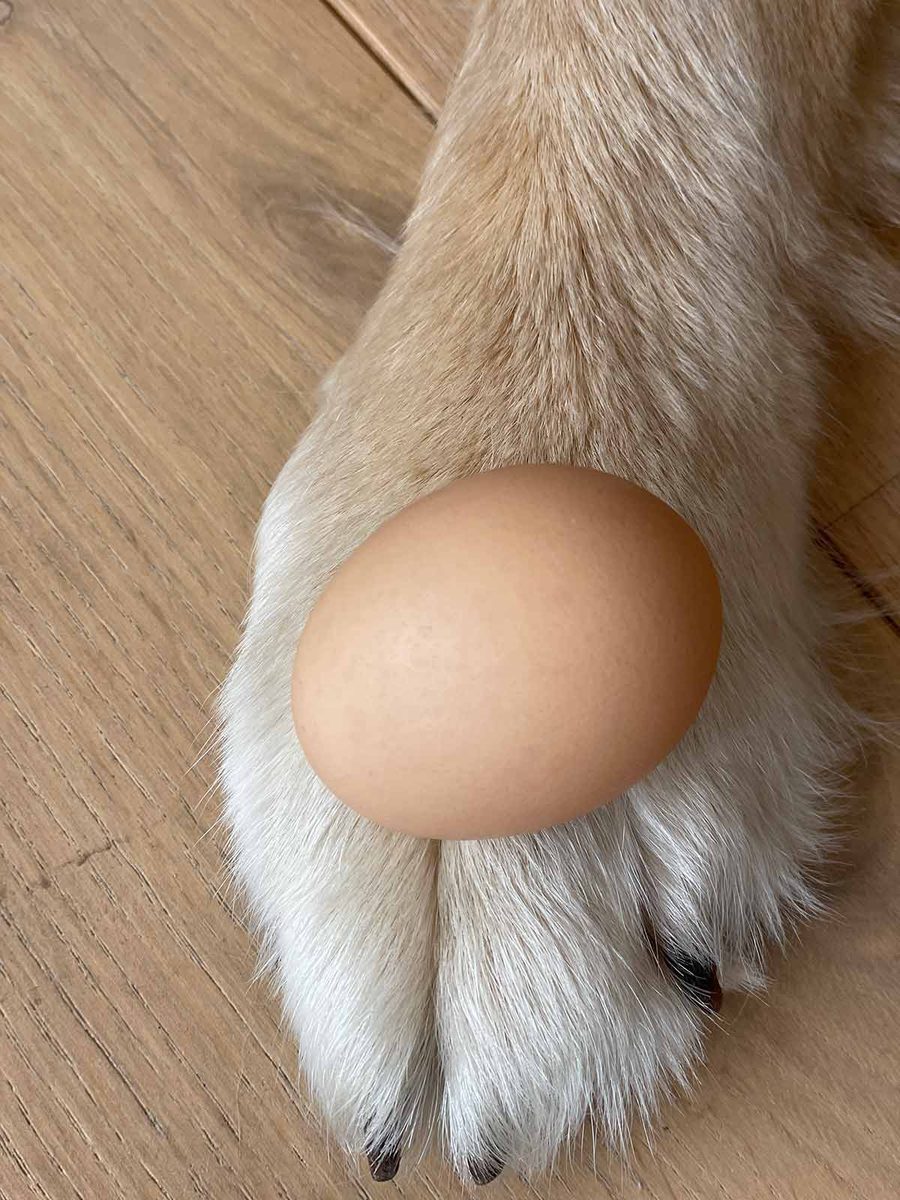
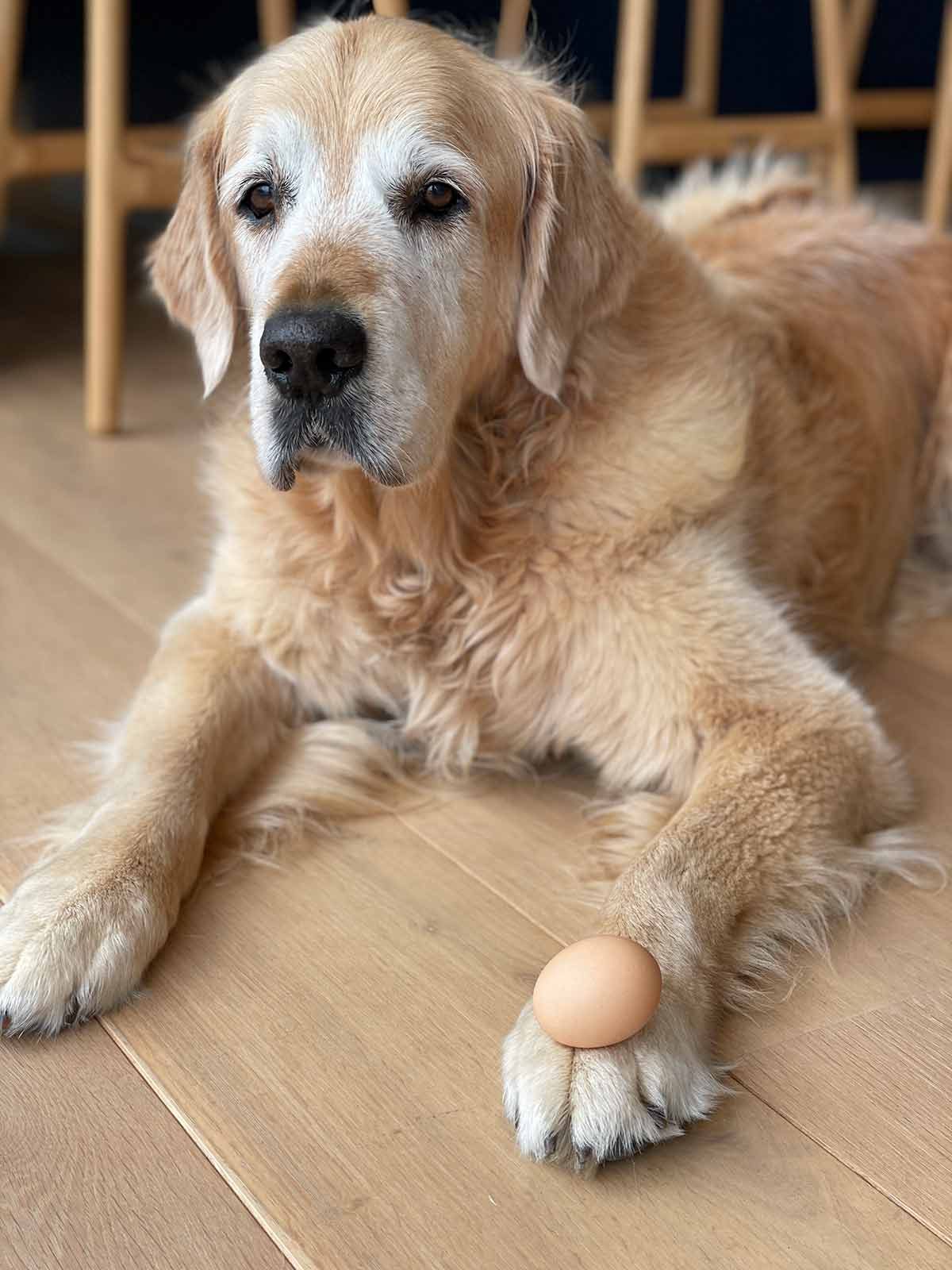
Size context: large eggs and jumbo paws.
I have a small kitchen gadget which allows me to make a pinhole in the rounded end of the egg so I don’t get cracked shells. Had it for years and must have got it at a kitchen shop, can’t remember it is so old now,!
Use a wooden spoon to stir the eggs (won’t crack the shells) to keep the yolks in the centre of the white. Makes it easier if you are going to stuff them.
I found this extremely helpful, I´m rubbish at boiling eggs, I´ve even burnt them (forgot about them and all the water evaorated) and this has happened quite a few time so I´m banned from boiling eggs before the other half comes home from work 😀 but I´ll show him, thanks Nagi x
I also love 8 mins eggs, but as others have asked… what’s the tip to prevent cracked eggs when you put them into the water?
somewhere I read if you put the eggs in cold water with a 1/4 tsp (or less) of carb soda and then boil them, they are much easier to peel and I have been doing that for a while now. However I don’t know how well it would work with putting eggs in hot water – will give it a try tomorrow morning
What about room temperature eggs?? I can’t bring myself to put them in the fridge when they don’t need it!
Hi Nagi
Any tips to stop the egg cracking when you put it in the boiling water ? Thanks
Re: the water level in the pot for boiling eggs. I only add a 1/2 inch of water. Bring to the boil then set to simmer. 2, 4 or 6 eggs doesn’t matter how many, all cook the same. Set timer for 6 minutes (my preference for a runny yolk.
After lowering eggs into the pot, put the lid on the pot and don’t remove it until the cooking time is up. Perfect eggs every time.
I’ve always used a splash of ordinary vinegar in the water to prevent the white going everywhere if the shell cracks. Boil for however long you desire then immediately cool under running cold water for about 20 seconds to prevent the green / black ring. Been working for me for decades.
That’s how I do it as well Penny! Like you for more years than I care to count, I also use room temperature eggs, they don’t crack as easily.
Steaming works best for freshly laid eggs! The shell comes off easily then. I put a heap of eggs in the steamer and steam for 20 minutes for hard boiled eggs.
Thanks Nagi ! I liked all the explanations 🙂 You seem to have preempted all my curious questions that had arisen while reading the instruction part ! Best wishes to you and your gorgeous furry sidekick , the handsome Dozer
You are the best😍
Every single time I have put my eggs into boiling water they crack 😭 What am I doing wrong??
To stop your eggs cracking, I use an egg-prick (or a pin) to pierce a hole in the broad end of your egg. This is because there is a small void in the membrane inside the egg which expands when you heat it in water. You will see a stream of bubbles comes out of the hole when you put it in the boiling water. You can buy egg-pricks at most cooking shops, try and get a metal one, but plastic works if you cant, they just break after a few years of intensive egg-pricking! Oh and I boil my eggs for 5min 30sec!
My mother taught me to prick the base of the egg with a pin before putting in to boiling water, especially extra large eggs, so that there are no mishaps with eggs cracking
I have a tip to prevent the egg from floating out if it cracks: Add a little salt to the cooking water before you start boiling. It holds the egg together.
I myself prefer to put the egg in cold water. When it boils, I set the timer for 4 minutes and 20 seconds. Then the result, referred to as «smiling» eggs, is always perfect where I live, by the fjord in Norway.
A fun fact is that the cooking time for eggs varies depending on where you live. It takes longer to boil an egg at a high elevation. On a high mountain, the atmospheric pressure is lower – which means that water boils at a lower temperature than it does at sea level.
Cold water, room temperature eggs, teaspoon in the water with the eggs. Bring to a boil, remove from heat, let stand 5-7 minutes, then chill with cold water and ice. If you add a little baking soda to the hot water when cooking, the shells will slip off like a dream.
Hi Nagi
I’d love to try it this way, but we DO have a problem – we are 1800m altitude (6000 feet) and this makes a difference. For instance water boils at 97 degrees (206F) instead of 100, which increases times. But even in this lower-temperature boiling water, the shells still crack unless the eggs are at room temperature. I put plenty of salt in the water which “sets” the white as it comes out of the cracked shell, thus preventing further leakage, but it would be great to have a solution to the initial cracking. (And as an amusement – I couldn’t get my Welsh mother-in-law (an awesome cook) to understand the concept of altitude making a difference and heard her tell her newly-arrived immigrant daughter, in her thick Welsh accent, “Even the eggs are different here, dear, they take five minutes to boil instead of three!”
My method for hard boiled eggs which avoids completely that dark ring around the yolk:
Pierce the raw egg, top and bottom (with a ssfety-pin). Cover eggs with cold water. Bring the water (and eggs) to a boil. Immediately turn off the heat, place a lid on the pan and wait for 20 minutes. Then plunge the eggs into cold water and crack the shells and leave until cooled down before shelling.
My method for hard boiled eggs which avoids completely that dark ring around the yolk:
Pierce the raw egg, top and bottom (with a ssfety-pin). Cover eggs with cold water. Bring the water (and eggs) to a boil. Immediately turn off the heat, place a kid on the pan and wait for 20 minutes. Then plunge the eggs into cold water and crack the shells and leave until cooled down before shelling.
Nagi, I found a hint for boiled eggs that works perfectly every time
Take egg out of fridge and make a hole in the flat end as this Is where the air is.
Cook as required, then
straight into cold water, tap all round, then start to peel……
Perfect for soft eggs used in scotch eggs !!!
I always make a hole in the base of eggs when using them from the fridge, stops them from cracking. I got a little gadget for this from Daiso but you can also use any pointy metal skewer if you’re careful. Makes them easier to peel too.